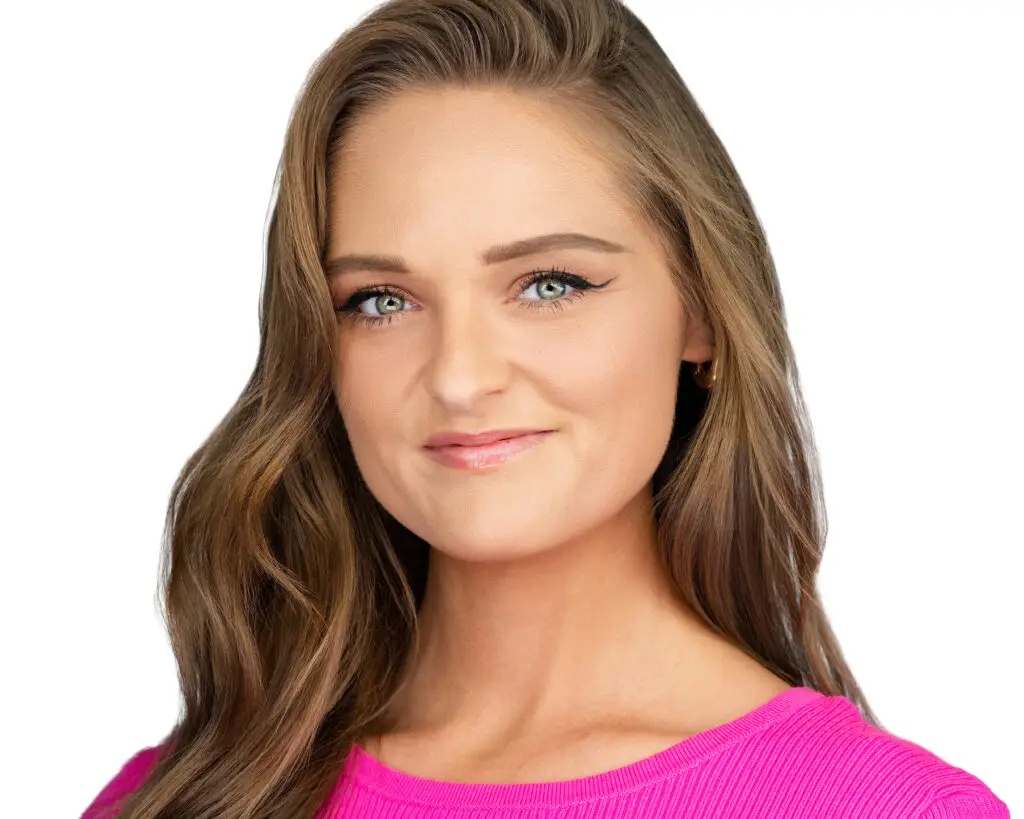
No, not every photographer can take a high-quality professional headshot.
While many people assume that a great wedding, family, or landscape photographer can seamlessly pivot to corporate or acting headshots, the reality is that headshot photography requires a highly specialized skill set. A fancy camera does not magically produce a compelling, professional image. Headshot photography is a unique niche focused heavily on human psychology, custom lighting, and micro-movements rather than just technical camera settings.
The psychology of the “freeze smile”
The greatest challenge in headshot photography is managing the client’s comfort level. Most individuals walk into a studio feeling deeply anxious or self-conscious. The moment a camera lens is pointed at them, an involuntary “freeze smile” or stiff posture takes over. A generalist photographer might simply click the shutter and hope for the best. Conversely, a dedicated specialist acts as part photographer and part director. They utilize personalized coaching to distract the mind, bringing out genuine warmth, confidence, and approachable energy. Achieving authentic human expression requires deep empathy and an understanding of human behavior.
The trap of static lighting setups
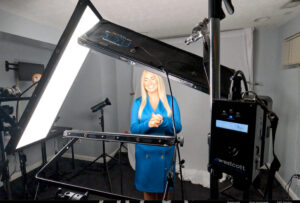
Many general photographers utilize standard, flat lighting setups to stay “safe” and eliminate harsh shadows. While this avoids technical errors, flat lighting frequently removes depth and leaves the subject looking lifeless—resembling a passport photo rather than an engaging professional.
Expert headshot studios, like Mark Denney Photography(markcdenney.com), treat studio lighting as a variable element tailored entirely to the individual. True headshot specialists manipulate light to accentuate unique bone structures, compliment distinct skin tones, and emphasize key features like the eyes and eyebrows. Shifting a key light just a few inches can completely transform the definition and confidence projected in the image.
Focal length and facial distortion
Lens selection plays a massive role in how a face is structured on camera. General portraiture or event photography often utilizes wider focal lengths to capture environments or candid interactions. However, wide lenses can cause subtle but unflattering facial distortion when used too close to a subject.
Professional headshot artists rely on specific telephoto focal lengths (typically between 70mm and 135mm) to compress and flatten facial features naturally. They understand how to alter lenses and camera angles to suit different face shapes rather than forcing every client into a rigid, one-size-fits-all formula.
Micro-movements and angles
In wedding or family photography, the goal is often to capture grand emotions, movement, and a sense of place. Headshots, however, exist entirely within a tightly cropped frame. Because there is very little real estate to work with, every millimeter counts. A master headshot photographer understands the art of micro-movements. They know exactly how a slight tilt of the chin, a minor shift of the shoulders, or an intentional positioning of the eyes alters the entire message of the photograph. They carefully curate the wardrobe, backdrop, and body language to ensure nothing distracts from the face.
When selecting a photographer to capture your professional brand, look past the high-end gear and seek out a specialist who understands the deep technicalities and human nuances of the craft. Contact Mark Denney Headshot Photography in Cincinnati.